All-Inclusive Wildlife Management: Securing Your Property the Natural Way
Comprehensive pest wildlife management offers a well-rounded strategy for handling common intruders on private properties. By utilizing gentle and environmentally conscious approaches, property owners can efficiently repel animals while protecting surrounding natural environments. Gaining insight into the tendencies of these creatures is crucial for implementing practical measures. As homeowners pursue answers, questions surface about the most reliable approaches and the value of peaceful cohabitation. What effective actions can be implemented to ensure safety without harming wildlife?
Frequent Wildlife Trespassers and Their Patterns
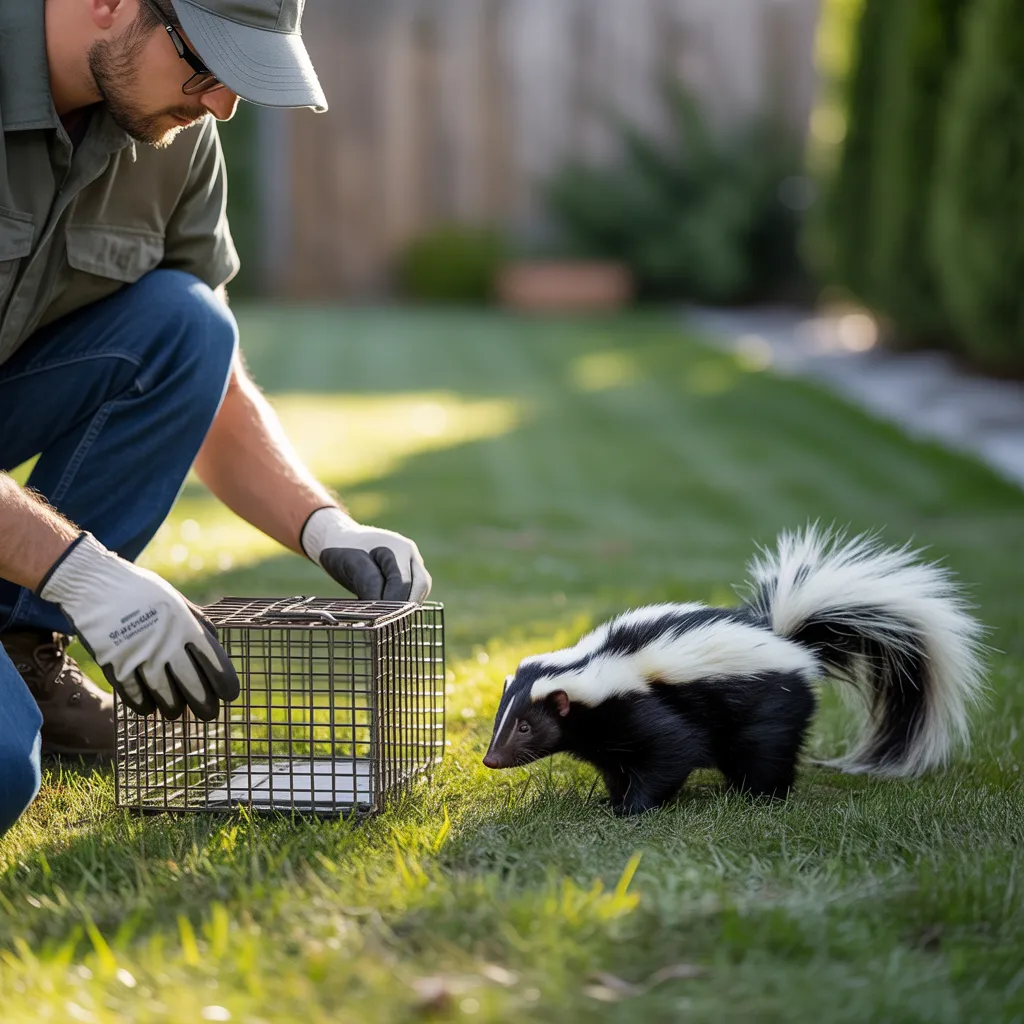
When residents deal with wildlife invaders, recognizing their habits is essential for successful management. Frequent wildlife nuisances encompass raccoons, squirrels, skunks, and deer, all displaying unique tendencies that can affect neighborhoods. Raccoons are nocturnal and often forage for food in garbage cans, displaying dexterity that allows them to open containers. Squirrels, known for their agility, can easily access attics and roofs, motivated by the search for nesting sites or food. Skunks, despite being largely peaceful, may create disturbances when burrowing through yards for insects or grubs. Deer, lured by gardens and decorative plants, are capable of producing extensive destruction as they consume vegetation. By understanding these tendencies, property owners can more accurately foresee intrusions and equip themselves for likely wildlife confrontations, laying the groundwork for effective management strategies. Recognizing the individual tendencies of these animals is key to sustaining a harmonious relationship with local wildlife.
Important Strategies for Effective Wildlife Management
Effective wildlife control requires a comprehensive approach that includes habitat adjustment techniques, natural deterrents and repellents, and responsible trapping practices. These techniques aim to minimize human-wildlife conflicts while fostering a sustainable ecosystem. Understanding and implementing these strategies can lead to sustainable solutions for managing wildlife intrusions.
Habitat Modification Strategies
A variety of habitat modification strategies can markedly reduce wildlife conflicts in urban and suburban environments. By altering the environment, landowners can make their surroundings less appealing to unwanted animals. This includes eliminating food attractants by securing garbage, using bird feeders designed to deter larger wildlife, and cleaning up fallen fruit or pet food. Furthermore, minimizing nesting opportunities is important; trimming dense vegetation and sealing entry points to buildings can discourage nesting. Managing water sources by removing standing water is recommended, which appeals to many different animal species. Implementing these strategies not only preserves property integrity but also supports a well-balanced ecosystem, enabling animals to flourish in their native environments while reducing interactions between humans and wildlife.
Organic Deterrents and Repellents
Natural deterrents and repellents are fundamental in managing wildlife interactions in urban settings. These approaches rely on natural components to establish boundaries that prevent animals from accessing properties. Common examples include using predator urine, citrus scents, or vinegar, which can deter various species such as raccoons, deer, and rodents. Moreover, cultivating selected herbs, including mint or lavender, can drive away pests while beautifying the outdoor space. Motion-triggered devices that produce sounds or lights can be highly effective, serving as a non-harmful method of keeping wildlife away. How well these approaches perform typically copyrights on the targeted species and the conditions of the area where they are implemented. Implementing these natural options fosters a harmonious coexistence between humans and wildlife.
Safe Trapping Methods
Safe trapping methods are essential for responsible wildlife control, protecting both people and animals alike. Effective techniques focus on using humane traps that minimize stress and injury to captured animals. Humane live traps, built to catch animals without injury, enable safe relocation, while snap traps provide a fast and humane solution for dispatching smaller nuisance animals. Strategic bait selection ensures target species are attracted while minimizing risks to unintended animals. Traps should be checked regularly to prevent prolonged confinement. Additionally, placing traps in strategic locations, such as near entry points or feeding areas, enhances effectiveness. Finally, adherence to local regulations regarding trapping and relocation is vital, promoting ethical practices and ensuring compliance with wildlife protection laws. These practices foster a comprehensive and balanced approach to wildlife population management.
Why Humane Methods Matter in Wildlife Management
While wildlife management frequently requires challenging choices, focusing on humane techniques is vital for maintaining a well-balanced ecosystem. Humane techniques not only limit suffering but also support peaceful coexistence between humans and animals. By utilizing non-lethal methods, such as relocation and environmental modification, wildlife managers can decrease conflicts while protecting animal well-being.
Moreover, compassionate strategies bolster public support and positive community relations. As communities recognize wildlife management as thoughtful and ethical, they demonstrate increased motivation to join conservation endeavors and endorse community-based initiatives. Such approaches equally sustain biodiversity, as they allow wildlife populations to thrive without unnecessary disruption.
In the end, emphasizing compassionate practices in managing wildlife cultivates a greater appreciation of ecological relationships. This methodology reinforces the principle that humans and wildlife can exist in balance, encouraging appreciation for the natural world while effectively addressing tensions that may emerge in mutual territories.
Proven Methods for Wildlife Control
When considering wildlife control, successful approaches include habitat modification techniques and the use of naturally derived deterrents and repellents. These techniques work to reduce human-wildlife conflicts while supporting a balanced ecosystem. By applying these methods, local populations can cultivate a more peaceful cohabitation with the surrounding wildlife.
Habitat Modification Techniques
Altering habitats functions as a proactive approach to animal management, considerably lowering the probability of undesirable wildlife interactions. By changing the landscape, landowners can limit the elements that attract animals. For instance, placing refuse in animal-resistant receptacles and eliminating stagnant water can deter pests. Additionally, pruning dense foliage and blocking access points in buildings assists in eliminating potential nesting sites. Installing physical obstacles, such related article as enclosures, can help minimize wildlife access to outdoor spaces or lawns. Implementing these strategies not only safeguards property but also supports a balanced environment, allowing native species to thrive while keeping unwanted animals at bay. Overall, habitat modification reliably cultivates a more secure and balanced living environment for both humans and wildlife.
Organic Deterrents and Repellents
Habitat adjustment creates a solid foundation for efficient wildlife control, but integrating these strategies with natural deterrents and repellents can greatly strengthen protection against nuisance wildlife. Numerous natural materials function as reliable barriers against common nuisance animals. As an example, potent aromas such as peppermint oil, vinegar, and citrus effectively repel rodents and insects. Furthermore, commercially available predator urine can deter smaller wildlife by indicating the proximity of a natural predator. Growing specific herbs like lavender or basil can likewise assist in keeping unwanted wildlife at bay. Utilizing motion-sensing devices that generate sounds or lights serves as an effective method to drive animals away. By utilizing these natural methods, property owners can create a less inviting environment for wildlife, reducing the likelihood of intrusions while remaining eco-friendly.
Creating a Safe Environment for Wildlife and Your Home
Establishing a secure setting for both wildlife and homes necessitates a well-rounded strategy that considers the needs of both. Residents can implement measures that foster mutual balance while protecting residential spaces. This includes fastening garbage containers and compost areas to discourage intrusive wildlife, as well as using native plants in landscaping, which offer organic shelters for regional fauna.
Proper fencing can also create boundaries that protect gardens without harming animals. Incorporating birdhouses and bat boxes enhances biodiversity while benefiting homeowners through natural pest control.
Additionally, reducing the use of chemical pesticides fosters a healthier natural habitat, offering advantages to both people and local wildlife. Routine upkeep of structures, like closing gaps and fixing screens, further discourages the entry of animals.
When to Seek Professional Help for Wildlife Control
When should homeowners consider enlisting professional help for wildlife control? If a homeowner encounters wildlife that poses a health risk, like raccoons or bats, it is vital to seek expert assistance. Additionally, when animals begin nesting in attics, walls, or basements, seeking professional help is wise to protect the home from damage. Indicators of ongoing wildlife presence, such as strange noises or droppings, signal the necessity of a professional assessment.
In addition, if aggressive animal behavior becomes a concern or if a homeowner is uncertain about safe removal methods, enlisting professional help is imperative. Wildlife management professionals are equipped with the knowledge, tools, and experience to deal with numerous species in a humane and effective manner. Finally, areas with protected or endangered species may require specialized permits, making professional guidance invaluable in ensuring compliance with local regulations. Overall, acknowledging these scenarios empowers homeowners to secure their property while sustaining a protected and safe surroundings.

Frequently Asked Questions
How Do I Keep Wildlife Out of My Garden?
To deter wildlife from entering a garden, one should set up robust fencing, employ repellent products, keep the area clean, properly secure garbage, and plant less enticing vegetation. Consistent observation and modifications can improve these preventive strategies significantly.
What Are the Signs of a Wildlife Infestation?
Evidence of a wildlife intrusion encompass droppings, gnawed vegetation, nests, footprints, and strange sounds, such as scratching or rustling. Furthermore, damaged structures or burrows can indicate the presence of animals seeking shelter or food.
Can Natural Repellents Be Used for Certain Animals?
Indeed, natural deterrents are available for certain animals. To give some examples, peppermint oil is effective against rodents, while cayenne pepper can drive away deer. These approaches take advantage of scents or flavors that animals find off-putting, assisting in keeping them away.
Can Wildlife Control Methods Harm Pets?
Wildlife control methods can potentially harm domestic animals if not cautiously executed. Chemicals, traps, and deterrents may pose risks to pets. Conscientious animal caretakers should verify that approaches utilized are safe and non-toxic to their beloved companions.
What Should I Do if I Discover a Baby Animal?
Should someone encounter a newborn animal, they should watch it from afar to check if the mother will return. If abandoned, contacting a local wildlife rehabilitator is strongly suggested to provide the animal with the care and attention it needs.